
Tag Archive for: pest control tips

Posts

Mosquito Prevention

Mosquito Prevention: How to Protect Your Family

For effective mosquito prevention, focus on preventing breeding and bites. Remove stagnant water, use repellants for mosquito control, wear lightweight, long-sleeved, long-pants clothing, ensure the screens are in good condition, and use mosquito netting around beds and baby strollers. Regularly inspect your yard and home for any potential breeding sites like clogged gutters, old tires, or containers holding water. PROPERTY SOLUTION PEST CONTROL INC offers targeted solutions and customized treatments for mosquito elimination for homes and businesses.

How to Create a Mosquito-Free Zone to Protect Your Loved Ones

Have you been battling a persistent mosquito problem each summer? Your evenings, once filled with backyard games and family dinners on the patio, are now plagued by buzzing and itchy bites. If the small arms and legs of your baby are dotted with red, angry welts, it’s time to take action. Understanding the importance of mosquito control and prevention is necessary to reduce the risk of mosquito-borne diseases, like malaria, Zika virus, West Nile virus, and dengue fever, and to improve the quality of life.

Did you know?

New research has shown that low-viscosity silicone oil, commonly used in cosmetics, when applied to the surfaces, can cause mosquitoes to instinctively flee due to the way it interacts with their leg scales.

Here is the ultimate guide to creating a mosquito-free zone for your family.

Eliminating Breeding Sites

Remove Standing Water

Mosquitoes lay eggs in standing water. Empty and scrub items, at least once a week, that can collect water, such as plant saucers and bird baths. Remove old tires or buckets from outside.

Check Gutters and Drainage

Ensure gutters are clean and free of debris to prevent water from pooling.

Repair Leaks

Fix leaky pipes and repair faucets to eliminate potential breeding grounds of mosquitoes.

Cover Water Storage

Tightly cover water storage containers like barrels and cisterns to prevent mosquito entry.

Interesting fact

An AI-powered system can track and zap mosquitoes in real time, firing precise laser pulses, carefully avoiding people and pets nearby.

Protect Yourself And Your Family

Use Repellents

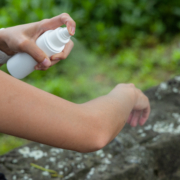
Apply mosquito repellents containing DEET, picaridin, IR3535, or oil of lemon eucalyptus to exposed skin and clothing, and follow instructions on the label.

Wear Protective Clothing

When outdoors, especially during peak mosquito activity time (dawn or dusk), wear long sleeves, pants, and socks,  preferably made of light-colored, tightly woven fabric.

Use Mosquito Nets

Sleep under mosquito nets, especially in areas with high mosquito activity, to avoid the risk of mosquito-borne diseases.

Maintain Screens

Ensure the screens on windows and doors are in good condition. Repair any holes to prevent mosquitoes from gaining entry into your space.

Use Indoor Insecticides

Consider using indoor insect sprays (when necessary) and using plug-in mosquito repellent devices to control mosquitoes indoors.

Did you know?

A new study has shown that mosquitoes raised in high-temperature settings have the potential to evolve with global warming due to the “chromosomal inversions,” structural changes in their DNA, which showed adaptations to the hotter conditions.

Additional Tips

Some additional tips for mosquito prevention are as follows:

  • Be mindful of outdoor activities. Limit outdoor activities during peak mosquito activity hours, like the dawn and dusk.
  • Regularly maintain swimming pools and keep water circulating to prevent mosquito larvae from developing.
  • Mosquitos are attracted to light. Use yellow ‘bug’ light bulbs outdoors.
  • If you plan to travel to areas with mosquito-borne diseases, consult a healthcare provider about necessary or preventative vaccinations.
  • If bitten, apply a topical hydrocortisone ointment or take an antihistamine to reduce itching and inflammation.

Conclusion

Mosquito prevention reduces the risk of mosquito-borne diseases and improves the quality of life. Effective mosquito control can prevent the spread of harmful diseases like malaria, Zika virus, and dengue fever, while also minimizing the nuisance of bites and itching. Focus on removing stagnant water, wearing loose, long-sleeved clothing, and using mosquito repellents and nets to stay safe and keep your family protected.

FAQs

1: What is the importance of mosquito awareness?
Mosquito-borne illnesses, from dengue to malaria, affect millions every year. Awareness and prevention are the most effective defenses.

2: How to protect a child from mosquitoes naturally?
Dress them in long, light-colored, loose-fitting clothing; use mosquito-proof mesh on doors and windows; and use mosquito-proof netting over prams and strollers when going outside.

3: Which plants help repel mosquitoes?
Plant basil, mint, and marigolds around your home to create a natural barrier against these pests.

4: What time of day are mosquitoes most active?
Mosquitoes are usually most active during dawn and dusk. Limiting outdoor activities at these times helps reduce bites.

5: Can professional mosquito control services really make a difference?
Yes. Experts use targeted treatments that eliminate breeding grounds and reduce populations more effectively than DIY methods.


Insect Control

Dos and Don’ts of Insect Control

Insects do more than just bother people; they can spread diseases, destroy property, and trigger allergic reactions. From ants in your kitchen to mosquitoes in your backyard or termites in your foundation, insect control is often necessary to create a safe and healthy environment.

Understanding that pest control is much more than soaking the area in chemicals is important. This blog with Property Solutions Pest Control Inc. includes the habits to use and to avoid when performing insect control. Whether you plan to spray or use peaceful methods, it will help eliminate the pests while protecting your home, health, and the environment.

Insect Control

Insect control is a crucial aspect of maintaining a healthy, safe, and comfortable living environment. Whether it’s keeping ants out of your kitchen, mosquitoes out of your backyard, or termites away from your home’s structure, effective pest control helps prevent property damage, reduces health risks, and enhances overall quality of life.

The key to successful pest management lies not just in eliminating visible insects but also in addressing the root causes of infestations. By combining cleanliness, sealing entry points, and using targeted treatments—whether natural or chemical—you can create a long-term solution that protects your home, family, and even beneficial insects in your ecosystem.

Dos: Safe and Effective Practices for Insect Control

When approaching pest control, it’s essential to follow best practices to ensure effectiveness while minimizing harm to non-target species and the environment.

Here are some key dos to remember:

Do Identify the Insect Before Taking Action

Realizing what insect you’re dealing with before taking action is essential to utilize appropriate, effective, and targeted control methods without harming non-target species or wasting money. Some insects, like ladybugs and spiders, can be helpful in controlling aphids or consuming bad insects, and it’s always good to keep this balance in mind.

Do Keep Your Surroundings Clean and Dry

Cleanliness is a relatively easy and simple way to manage insects. Insects are attracted to food residue, standing water, and disorganized storage. Cleaning regularly, storing all food properly, and fixing any leaky plumbing will help with moisture-loving bugs as well.

Do Seal Entry Points in Your Home

Every insect may have its entry point, but some common entry points will include cracks, gaps, and holes, especially in screens. Blocking access can be achieved through caulking, door sweeps, fine mesh screens, and periodic inspections of your home.

Do Use Natural or Non-Toxic Methods When Possible

We need to keep in mind that insect control should never use a chemical product, since it is much safer for children, pets, and the environment to use natural remedies like diatomaceous earth, neem oil, vinegar sprays, or essential oils regularly.

Do Consult Professionals for Large or Persistent Infestations

If a major insect problem arises, we recommend reaching out to a licensed pest control professional for proper diagnosis, treatment, and prevention, as well as eco-friendly or integrated pest management options.

Don’ts: Common Mistakes to Avoid in Insect Control

Insect control is an important practice that seeks to manage and reduce the number of harmful insects that adversely affect human health, property, and the environment. It is important to know what to do, but it is also crucial to understand what things to do that could be ineffective or harmful to our efforts.

Here are some common don’ts:

Don’t Overuse Chemical Pesticides

Excessive and continual use of chemicals (especially indoors) can be toxic, build up in the environment, harm pets, and lead to increased pest resistance. By law, always read and follow the label instructions carefully, only use as needed, and choose the least toxic option available.

Don’t Ignore the Root Cause

Spraying bugs can kill them temporarily, but it does not eliminate the source of the pest problem. Always consider non-chemical environmental controls first, which can include things like leftover food and water leaks from your utilities or open/overflowing trash.

Don’t Combine Chemical Products Without Knowing the Risks

Combining insecticides or cleaning agents can create toxic fumes or a chemical reaction. If you are unsure about a product, always utilize only one product at a time and follow the directions meticulously.

Don’t Leave Pet Food or Water Bowls Out Overnight

Pet food and water attract insects, so it is advisable to feed your pet on a schedule and clean up leftovers. Elevate the pet food and water bowls and use rubber mats below the bowls to make cleaning easier.

Don’t Assume Outdoor Pests Won’t Come Inside

Outdoor insects like mosquitoes, ants, and termites will invade the home if they can; therefore, to limit insect infestations, have a clean and tidy yard, remove standing water, prune plants, and evaluate outdoor structures.

Conclusion

Managing insects does not mean declaring war on every bug that you see. Managing insects refers to understanding insect behavior, creating unfriendly environments for insects, and using the correct materials in the right way at the right time.

If you stick to the dos and don’ts, you are not only preserving the property and health of the building(s) that you manage (and your own), but you are also unnecessarily killing beneficial insects and harming the ecosystem. Smart, informed pest management is sustainable pest management – so be proactive and stay clean, and if you are in doubt, ask the real experts.

FAQs

1: How long does pest control take?
Professional pest control takes around 30 minutes to a couple of hours.

2: What type of pest control is best?
Integrated pest management is considered the best method to control pests.

3: How much does pest control cost?
It depends on the size of the property, the number, and the types of pests.

4: Is natural pest control as effective as chemical treatments?
Yes, natural pest control can be just as effective when applied correctly. Methods like using diatomaceous earth, neem oil, or essential oils can provide long-term solutions without the harmful effects of chemicals. It’s all about choosing the right approach based on the type of pest and severity of the infestation.

5: How can I prevent pests from entering my home during seasonal changes?
To prevent seasonal pests, seal gaps around windows, doors, and vents, especially as temperatures change. Also, keep food sealed, regularly clean your kitchen, and ensure your yard is well-maintained by trimming plants and removing standing water.